
When I first shared on Instagram that my family had obtained dual citizenship in Mexico, my DMs exploded. Hundreds of questions poured in from fellow second-generation Mexican Americans wanting to know: How did you do it? What documents do you need? Can I do it without my parents being present?
That overwhelming response is exactly why I knew I needed to create my How to Get Dual Citizenship in Mexico E-Guide and Digital Course. But before we dive into the nitty-gritty details, I wanted to share our personal journey – the good, the challenging, and the downright frustrating parts that nobody warns you about.
Why Dual Citizenship Matters to Us
I’ll be honest with you, amiga. When I first got the idea to pursue dual citizenship, part of me just thought Mexican passports were cool. (They are, by the way!) But as I went through the process, it became so much more meaningful than that.
For me, getting dual citizenship was another way to feel closer to the motherland—to honor my parents’ heritage and ensure I could pass that connection down to my kids. In a time when so many families are feeling uncertain about their place in this country, reclaiming our Mexican citizenship felt like securing a piece of ourselves that can never be taken away.
My husband Alex? His reason was much simpler at first. “Everyone else in the family had it,” he laughed when I asked him. “I didn’t want to feel left out!” But even he admits now that having that dual citizenship brings peace of mind, especially when we’re living here in Mexico. No worrying about documentation issues or fines—we’re legal citizens in every sense of the word.
The Tale of Two Very Different Experiences
Here’s what’s wild about the dual citizenship process: Alex and I went through it around the same time, but our experiences couldn’t have been more different.
My Journey: Surprisingly Smooth
I decided to process my acta de nacimiento (birth certificate registration) in a small pueblo near where my parents live. My mom actually dropped off my documents while we were still in the United States, and by the time we arrived for spring break about 10 days later, everything was ready.
The key difference? In a smaller office, they have to send everything to the state capital in Guanajuato for processing, which takes a bit longer. But I didn’t even need to be physically present in Mexico when my mom submitted the paperwork. Once I picked up my birth certificate, I immediately processed the kids’ documents on the same day. The whole process for me and the kids took about two weeks total.
When it came time to get our passports, I opted to do it at the Mexican consulate in Chicago after we returned to the United States. And let me tell you—it was smooth sailing. The staff was professional, the requirements were straightforward (they accepted my U.S. passport as identification), and within weeks, I had my Mexican passport in hand.
Alex’s Journey: A Comedy of Errors (That Wasn’t Funny at the Time)
Alex’s experience was… different. And by different, I mean it took him four months and involved multiple headaches along the way.
It started with his U.S. birth certificate. When I was reviewing all his documents, I noticed something that made my heart sink: his mom’s last name was misspelled. Missing a whole letter! And here’s the thing about the dual citizenship process—everything has to match perfectly. Your name on your U.S. birth certificate must match your parent’s name on their Mexican birth certificate exactly.
So before Alex could even start the Mexican citizenship process, he had to get his U.S. birth certificate corrected. This wasn’t as simple as walking into the Cook County Clerk’s office in Chicago. Nope. He had to mail everything to Springfield, the state capital, and wait the full 12 weeks for processing. Then we had to get it apostilled and have family mail it to us in Mexico.
Once we finally had the corrected birth certificate, getting his Mexican acta de nacimiento was actually quick—we walked into the office in León, they verified everything, and told him to come back on Friday. Easy enough.
The INE (Mexican voter ID) process was also straightforward. We needed two witnesses, and thankfully, family was there to help. Seven days later, Alex had his INE.
But then came the passport. Oh, the passport.
The Passport Office Nightmare
Alex made an appointment at our local passport office here in Mexico. Everything seemed fine at first—until the officer asked where he was born.
“The United States,” Alex answered honestly.
And that’s when things shifted. Suddenly, there were problems everywhere. They said his documents were folded (they were, but we didn’t think that would be an issue). They questioned whether his signature on the application matched his INE—Alex has always signed with a scribble, never had an issue before, but suddenly it was a problem. They gave him 30 tries to match his signature exactly. Thirty!
With four office managers literally standing over him, watching his every move, Alex couldn’t get his signature to match to their satisfaction. They asked for additional documents that weren’t listed on the government website—like his mom’s birth certificate, even though he already had his Mexican birth certificate proving his citizenship.
After an hour of this treatment, Alex left empty-handed. And here’s the kicker: we had already paid for the passport. The Mexican government had our money for a service they refused to provide.
We were frustrated, embarrassed, and honestly, a little defeated. But we weren’t giving up.
A Different Experience in Chicago
When we traveled back to Chicago that fall, Alex had an appointment scheduled at the Mexican consulate—just in case the Mexico office didn’t work out. And thank God we did.
He walked in nervous, worried they’d give him the same runaround. But in 20 minutes, everything was done. The officer looked at his signature, compared it to his INE, and simply said, “Looks good to me.”
No drama. No nitpicking. No standing over him with judgmental stares.
Alex walked out with his passport application approved, and a few weeks later, his Mexican passport arrived in the mail.
What We Learned: Key Takeaways for Your Journey
If there’s one thing our journey taught us, it’s that preparation is everything. Here are the biggest lessons we learned:
1. Check Every Single Document for Name Accuracy
This cannot be stressed enough. Every document must match exactly—no missing letters, no spelling variations, nothing. If your parent’s name on your U.S. birth certificate doesn’t match their Mexican birth certificate perfectly, you’ll need to get it corrected before you can proceed.
2. Keep Documents Flat and Pristine
Don’t fold your important documents. Keep them in a protective sleeve or folder. While this might seem like the office was being petty with Alex, it’s better to avoid giving anyone a reason to deny your application.
3. Develop a Consistent Signature
If you’re someone who just scribbles (like Alex), consider creating a more consistent signature before you start this process. Your signature on your INE needs to match your passport application, and officials will check.
4. Know the Difference: Mexico vs. Consulate
In our experience, getting your acta de nacimiento (birth certificate registration) is easier and more cost-effective in Mexico. But getting your passport? Much smoother at a U.S. consulate. The requirements are slightly different at each location, and the attitudes toward U.S.-born applicants can vary dramatically.
5. Small Town vs. Big City Processing
Small pueblo offices might take longer (10 days vs. 2 days) because they send everything to the state capital for processing. However, they may also be more relaxed about certain requirements. City offices process faster but may be stricter.
6. You Don’t Always Need to Be Present
I didn’t have to be in Mexico when my mom initially dropped off my documents. If you have family members who are Mexican citizens, they can often submit paperwork on your behalf for the initial registration.
Why This Matters Beyond the Paperwork
Getting dual citizenship isn’t just about having two passports (though that’s pretty cool). It’s about reclaiming a piece of your identity that you’ve inherited but maybe never fully claimed.
For second-generation Mexican Americans like us, there’s something powerful about officially being recognized by the country your parents came from. It’s a tangible connection to your roots, your culture, your family’s history.
And practically speaking? It opens doors. It gives you options. It allows you to live, work, and build a life in Mexico without the stress of visa renewals or residency requirements. For our kids, it means they’ll grow up with both of their cultural identities fully recognized and protected.
Ready to Start Your Journey?
I’ve compiled everything we learned—all the documents you need, the step-by-step process, the insider tips, the mistakes to avoid into my How to Get Dual Citizenship in Mexico E-Guide and Digital Course.
The e-guide is perfect if you’re the independent type who wants a checklist to work through on your own. The digital course is more comprehensive, with five modules that walk you through everything like I’m right there with you, holding your hand through each step.
And here’s the thing: I created this course because I genuinely believe that dual citizenship is a form of wealth we’ve inherited. Not money, not property, but something equally valuable—the right to claim our heritage and pass it on to future generations.
So if you’re ready to start your journey, check out the link to my e-guide and digital course. And remember, every journey is different. Mine was smooth, Alex’s was rocky, but we both got there in the end.
And so will you.
Show Notes
In this episode of the “Living in Mexico” series, I’m sitting down with my husband to talk about something so many of you have been asking about – how to get dual citizenship in Mexico!
This has been our most-asked question since we shared our own journey to becoming dual citizens earlier this year. I’m walking you through our very different experiences. We’re also getting real about the process, the paperwork mishaps, the differences between doing this in Mexico versus at the consulate, and why reclaiming this part of our heritage has been so meaningful for our family.
What You’ll Hear:
- Why we decided to pursue dual citizenship and what it means for second-generation Mexican Americans reclaiming their roots
- The biggest mistakes to avoid when gathering your documents
- Our journey getting dual citizenship, including the birth certificate nightmare and the passport office experience that had us both frustrated
- The real difference between getting your passport in Mexico vs. at a U.S. consulate, and which route might be easier for you
Resources Mentioned:
- How to Get Dual Citizenship in Mexico E-Guide & Digital Course– My comprehensive step-by-step guide that walks you through the entire process, including all required documents, timelines, and insider tips from our personal experience.
- Listen to our previous ‘Living in Mexico’ series episodes
About Jessica Cuevas
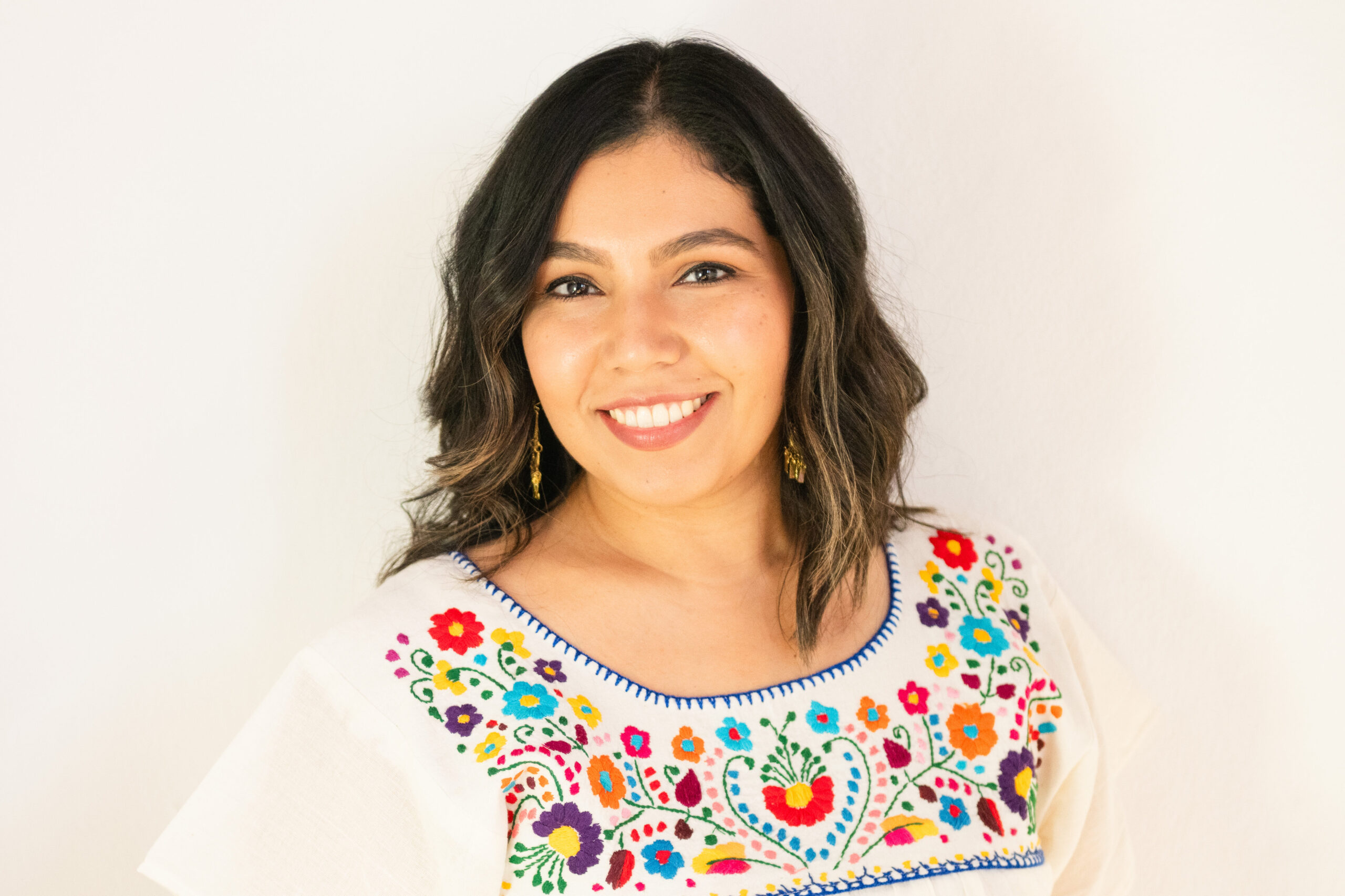
Jessica is the founder and creator of Viva la Mami, LLC a community centered around Latina motherhood. Jessica created this platform after not finding empowering stories about experiences of Latina moms. She realized that there was a lack of representation in this space and felt there was a need for mamis to share their stories and to learn more about the nuances about motherhood through a cultural lens.
Viva la Mami’s mission is to empower the modern Latina mom to redefine the meaning of madrehood through education, story-telling, and cultural relevance all while bringing comunidad together.


