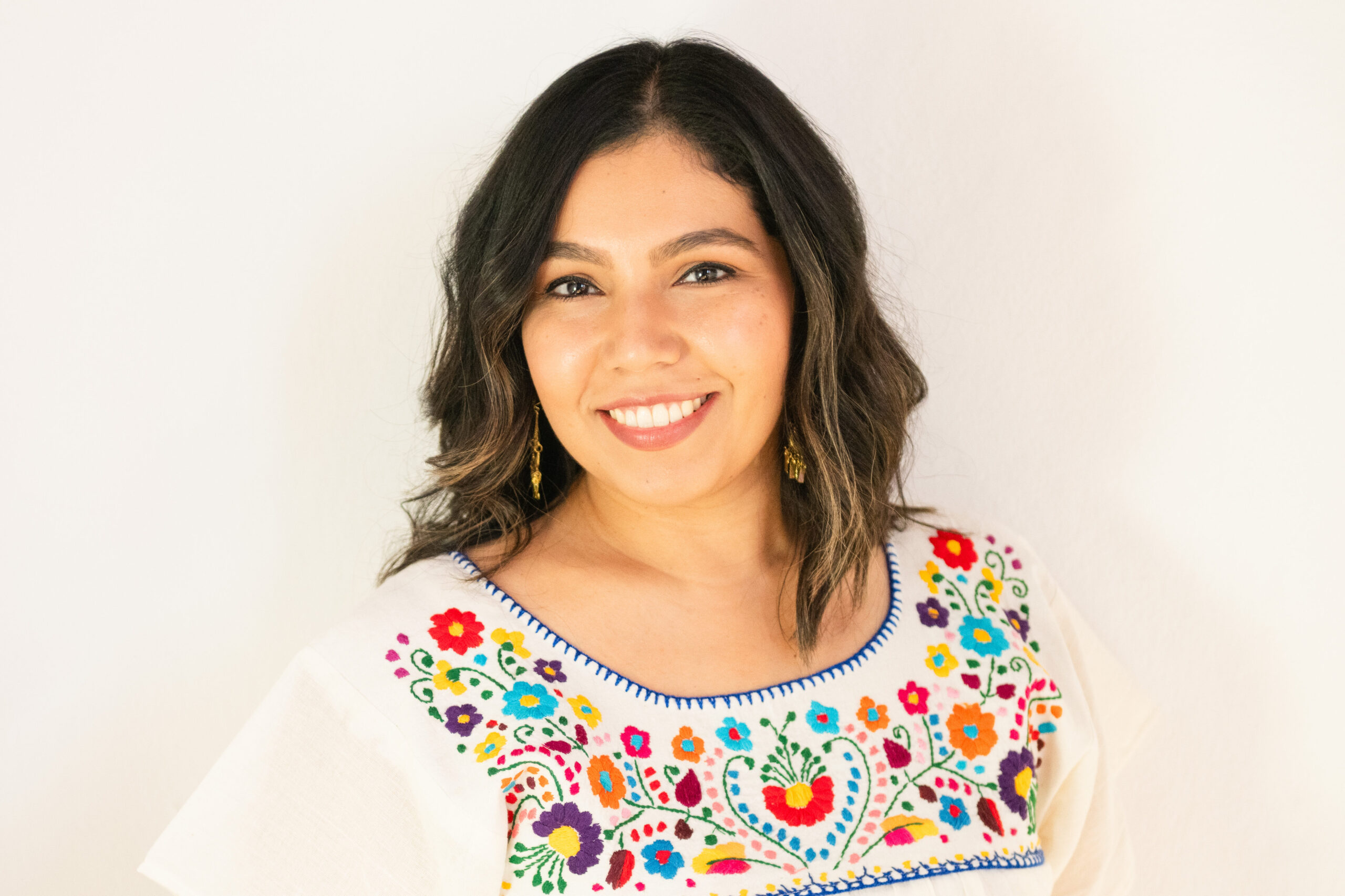
There is a moment in our lives when we look around and question: Is this it? Is this the life I imagined? For Karina Wright, that moment became a turning point, and instead of scrolling past it, she packed her bags, crossed the border, and never looked back.
Karina was born in Mexico City, brought to the United States as a baby, and raised in Arizona – the only life she really knew. But she always carried a quiet longing for the motherland. Last year, she and her husband made it official: they moved to Puerto Peñasco, Sonora, bringing along her teenage son and a whole lot of courage. Today, she documents her life and pours out resources for her community at @karinalifeinmexico.
I had the joy of sitting down with Karina on the podcast as part of our Mamis Abroad series, and she delivered. Here are the most powerful takeaways from our conversation.
The Move Was Not a Leap – It Was a Plan
Karina did not just wake up and decide to leave the US. She made intentional, strategic moves: buying a condo in Puerto Peñasco as an investment property years earlier, choosing a location just 3.5 hours from Phoenix so family was still within reach, and giving herself time to ease into the transition before making the bigger jump to Mexico City, where she was born. The lesson? You do not have to do it all at once. Baby steps are still steps.
Remote Work Is the Key, And She Is Giving You the Key
Karina is clear about what stops most people from making this move: income. And she is not about to let that stop her community. Through her Discord group, her recorded workshop, and a resume revamp service for just $20, she hands over every tool she has, including the ones born from hard lessons like getting caught using a VPN and losing a job. But she bounced back, and ended up with two remote positions: one paying in USD, one in Mexican pesos. Her advice for mamis ready to move? Update your resume, explore contractor roles for more flexibility, get creative (social media, English tutoring, local brand partnerships), and stop limiting yourself to the nine-to-five mindset.
Moving With a Teenager: She Said What She Said
When moms ask Karina how she moved with a 15-year-old, she is honest: her son did not get a vote because she, as the parent, could see the bigger picture. She saw the anxiety of dropping him off at high school and not knowing if she would see him again. She saw the toll of living under constant fear. So she made the call that was best for her family, and reframed it for her son as an adventure rather than a loss. New food. New friends. New experiences. He was the first one to pack his bags. His Spanish is thriving, he joined an MMA gym, made a whole crew of friends, and is out here talking to girls en español. That is a win!
The Identity Question Nobody Talks About
One of the most raw moments of our conversation was when Karina opened up about what it feels like to return to a country that is yours, but also not quite yours – the way people notice you are a chicana, the online debates about whether returning Mexican-Americans are gentrifying their own homeland. She has cried about it on camera. She has wrestled with it. And she has landed on this truth: the criticism only ever comes from online, never from the people she actually lives alongside. The restaurant owners, the neighbors, the repairmen – they have welcomed her family with open arms. We deserve to be here. Our roots are here. We are not expats. We are coming home.
She Is Building for Our People – Not for Everyone
What I deeply respect about Karina is that she made a deliberate choice to build her community specifically for Mexican citizens returning home – not for expats, not for digital nomads, not for anyone looking to colonize a cheaper cost of living. For our gente. Could she make more money by opening it up to everyone? Yes. But she has chosen mission over margin, and that is the kind of leadership our community needs right now.
Redefining Madrehood on Her Own Terms
When I asked Karina my signature question about how she is redefining madrehood? She answered simply and powerfully: she is doing it her way. She breaks traditions. She breaks norms. She takes what works for her family and leaves what does not. And she is teaching her son to do the same. We do not have to carry every expectation, every guilt trip, every “pero la familia” that comes our way. We are allowed to build our own happiness and model that freedom for our kids.
If Karina’s story sparked something in you, listen to the full episode, and follow her! She is out here doing the real work.
Show Notes
In this episode of the Mamis Abroad series, I sit down with Karina Wright, a content creator, community builder, and certified no-gatekeeping reina! Karina made the bold decision to move back to the motherland with her husband and teenage son, and she has been sharing every step of the journey with her growing community at @karinalifeinmexico.
She is giving our people real, practical resources on how to find remote work, navigate the emotional load of returning, and build a life on your own terms. Whether you are thinking about making this move or just need some inspiration to dream a little bigger, this episode is for you!
What You’ll Hear
- Why finding remote work is the #1 thing holding Latinas back from moving abroad
- What it’s really like to move with a teenager, and why kids are far more resilient than we give them credit for
- How Karina built a no-gatekeeping Discord community to help Mexican citizens and descendants repatriate
- The honest, emotional conversation about identity, belonging, and what it means to return to a country that is yours but also feels brand new
Resources Mentioned
- Follow Karina: @karinalifeinmexico on TikTok, Instagram, YouTube & Facebook
- Karina’s Discord Community
- Regresando a Mexico Workshop
- Resume Revamp Service
- Returning Home to Mexico E-Guide
About Our Guest

Karina Wright | Karina Life In Mexico
Karina Wright, a remote work expert and community advocate. After moving back to Mexico, she built a remote work career and now helps people find legitimate remote work while also speaking out on issues impacting our communities—especially immigration, deportation, and cross-border family challenges.