
Why I’m Not an Expat: The Truth About Moving Back to Mexico
I’ve heard it more times than I can count: “Oh, so you’re an expat now?” Every time, something in me pushes back. I’m not an expat. I’m the daughter of Mexican immigrants who fled a struggling economy decades ago. Now I’ve made the choice to come back. This is my expat vs immigrant distinction, and it matters to me.
I’m coming back to the country my parents left. I’m reconnecting with the culture that raised me, even from a distance. Spanish was my first language before it was ever my “second.”
What Is an Expat, Really?
When I think of an expat, I picture someone with no ties to the place they’re moving to. A retiree looking for a lower cost of living. A digital nomad chasing a new experience. A couple road-tripping from California to Patagonia just because they can.
These are people who choose a country like a vacation destination. There’s no lineage. No language fluency. No cultural memory pulling them there.
That’s not my story. My dad left Mexico at 14. My mom was eight. Thirty years later, I’m the one choosing to come back. I’m not exploring a foreign place. I’m reconnecting with the one my family never stopped belonging to.
Cultural Fluency vs. Cultural Tourism
Almost a year into living in León, I’ve noticed the difference. Expats are often still in that “introductory course” phase. They’re learning the culture from scratch.
My family has been fluent in the things that matter since before we arrived. I mean the values. The language. The unspoken norms. What we’re learning now is just logistics — the school system, the bureaucracy, the day-to-day rhythms. Not the culture itself. That was already ours.
Why “Expat” Is a Privileged Word
I think “expat” carries something deeper: privilege. It’s a word that lets people avoid calling themselves immigrants. “Immigrant” is a term historically loaded with assumptions about race, class, and status.
Many people who call themselves expats would never accept the label “immigrant.” But by definition, that’s exactly what they are. I think that discomfort says more about how we’ve been taught to view immigration. It says less about the actual experience of moving to another country.
There’s No Perfect Word Yet
For me, there’s no perfect word yet. I’m not “reverse migrating.” I wasn’t born here. I’m not quite an immigrant in the traditional sense either. But I’m also nothing like the expats I see in Facebook groups, looking for a bubble of familiarity in a foreign country.
Maybe the word doesn’t exist yet. Maybe I’ll coin it myself one day.
What I do know is this: I’m not fleeing anywhere. I’m coming home. And I’m bringing my kids with me, so they understand they belong in two places. Not just one.
Show Notes
In this solo episode, I share about why I don’t consider myself an expat, even though I moved from the United States to Mexico. I break down what the word “expat” actually means, who it tends to describe, and why I believe it’s rooted in privilege. I also share why I see myself as an immigrant instead, coming back to the country my parents fled decades ago, and what it’s been like navigating that identity almost a year into our move to México.
What You’ll Hear:
〰 The real definition of “expat” and who it typically applies to
〰 Why being a daughter of Mexican immigrants changes my relationship to this move
〰 The difference between cultural tourism and cultural immersion during your first year abroad
〰 Why I believe “expat” is a privileged word that avoids the term “immigrant”
Resources Mentioned:
〰 Join the VLM newsletter for deeper reflections like this one
〰 1:1 relocation consultations for families considering a move to Mexico
About Jessica Cuevas
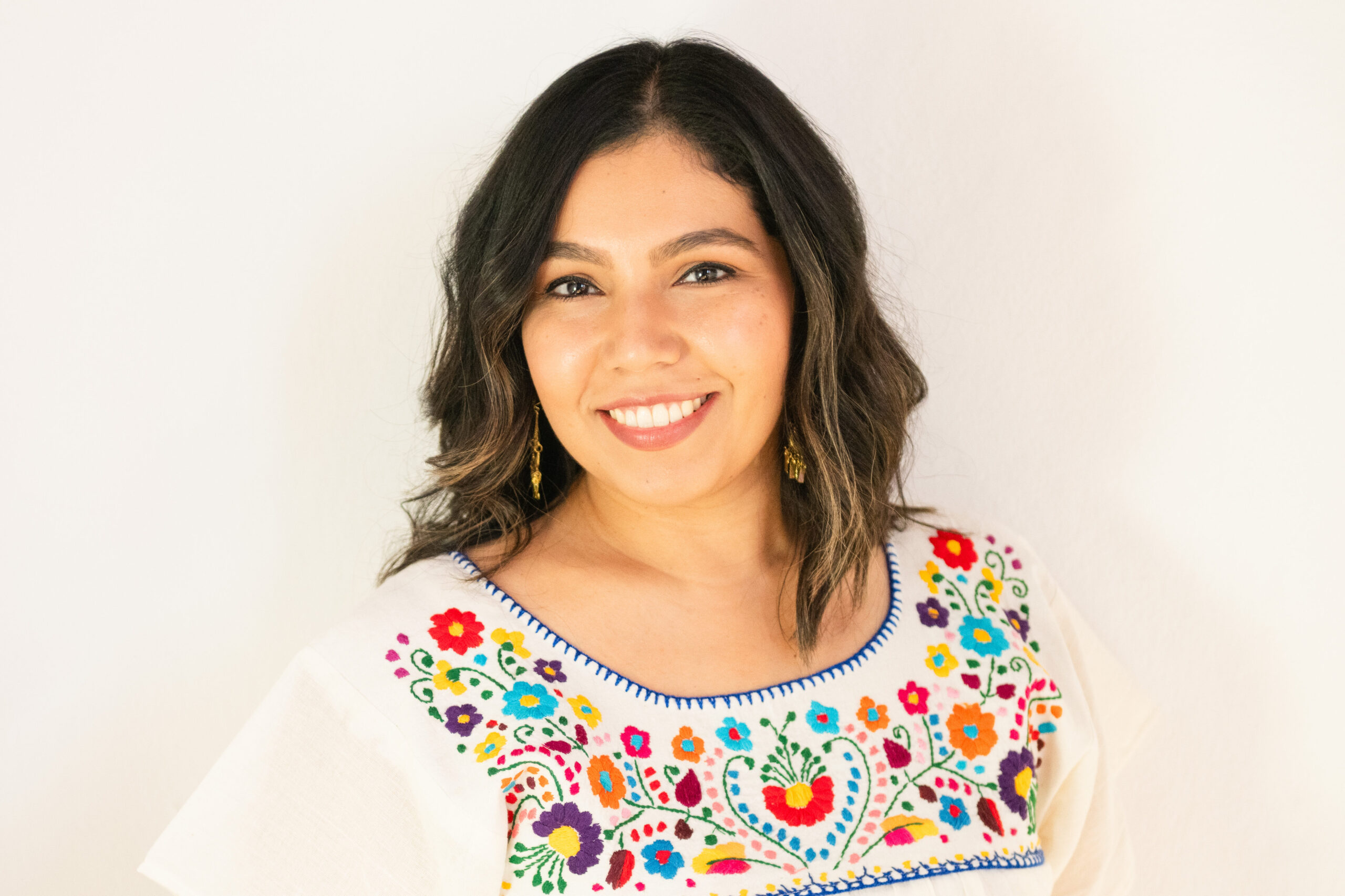
Jessica is the founder and creator of Viva la Mami, LLC a community centered around Latina motherhood. Jessica created this platform after not finding empowering stories about experiences of Latina moms. She realized that there was a lack of representation in this space and felt there was a need for mamis to share their stories and to learn more about the nuances about motherhood through a cultural lens.
Viva la Mami’s mission is to empower the modern Latina mom to redefine the meaning of madrehood through education, story-telling, and cultural relevance all while bringing comunidad together.


