Every August, the world dedicates a month to breastfeeding awareness. But a few years ago, I remember searching online for something more specific – for our week. And then I found it: La Semana de la Lactancia, Latinx Breastfeeding Week. It felt like someone had finally said, “Hey, we see you too.”
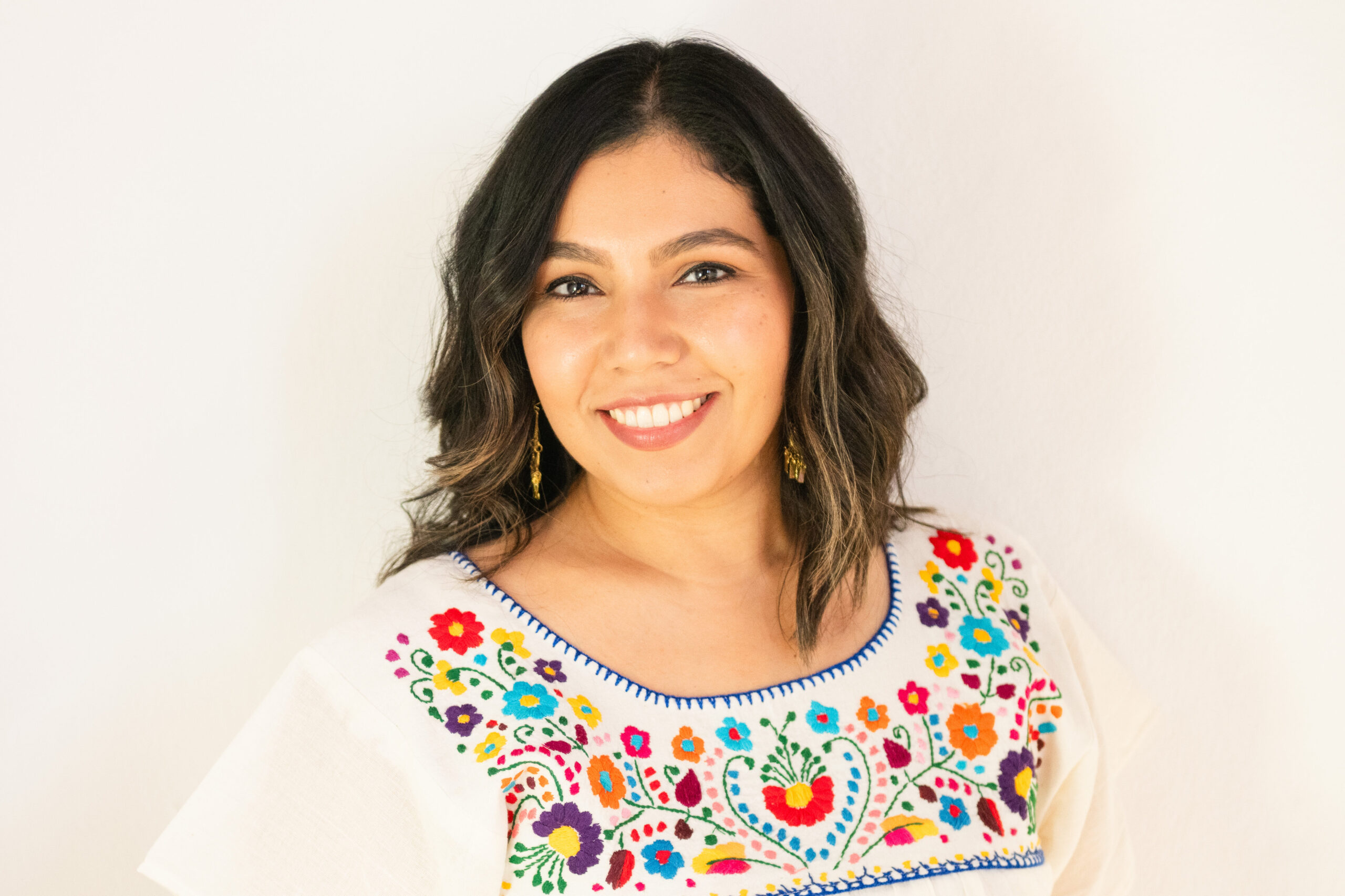
That’s exactly why I wanted to sit down with Vanessa Morones for this episode. Vanessa is a perinatal program manager with more than two decades of experience supporting breastfeeding families. She’s a WIC breastfeeding peer counselor turned program leader, co-chair of LATCH (the Latina Chicana Task Force), and co-chair of the Latinx Lactation Collaborative. She’s also a mother of nine and she breastfed every single one of her children for at least a year, with her youngest nursing until he was three and a half.
Why We Needed Our Own Week
Vanessa explained that Latinx Breastfeeding Week didn’t come out of nowhere. There was already a Native American breastfeeding week, an African American breastfeeding week, and Latina moms were asking, “Wait, where’s ours?” It’s not just about representation for the sake of it. It’s about recognizing that every culture carries its own history, its own myths, and its own relationship to breastfeeding, and that history has been shaped by things far outside our control.
That history includes decades of predatory formula marketing, dating back to the 1930s and 40s, when companies pushed formula as better than breast milk – sometimes handing out just enough free formula to dry up a new mother’s supply before she had to start paying for it. Vanessa’s own grandmother, in Nicaragua, was told by a doctor that formula would simply be better for her baby. That single moment rippled down through generations of her family.
My Own Story
I shared something with Vanessa that I don’t talk about often. With my first son, breastfeeding was a struggle from the start. Every lactation consultant visit went fine, and then we’d get home, and something would shift. Eventually I stopped, cold turkey, around five weeks. What followed was a grief I wasn’t prepared for. I wasn’t formally diagnosed with postpartum depression, but I know now I was moving through something heavy, such as missing the closeness, mourning a goal I’d held onto so tightly, especially as someone who would have been the first in my family to breastfeed successfully.
Eventually, with the help of an incredible midwife and an IBCLC who specialized in relactation, I found my way back to combo feeding. It wasn’t the exclusive breastfeeding journey I had pictured, but it was mine. And it was isolating in a way I didn’t expect because in our community, once “se te seca la leche,” most people assume that’s the end. Nobody talks about the fact that your body can come back.
The Myths We Inherited
This is where the conversation got really honest. Vanessa and I traded stories about the creencias we both grew up hearing:
- Si te asustas, se te va a secar la leche (a scare can dry up your milk)
- Grief or sadness will “pasar” to your baby through your milk
- Certain foods like beans, spicy food, foods that aren’t “caliente” will upset the baby
- Alcohol myths taken to extremes
- The belief that once your milk “dries up,” it’s gone for good
Vanessa’s take was simple and compassionate: these beliefs usually come from people who love us yet dismissing them outright isn’t the answer. The real work happens through education, trust, and relationships, often built by peer counselors who’ve breastfed themselves and can gently offer evidence-based information alongside cultural respect.
Extended Breastfeeding, Tandem Feeding, and Letting Go of Shame
We also talked about something that doesn’t get discussed enough: what happens when your baby isn’t a baby anymore, and you’re still breastfeeding. Vanessa nursed her youngest until three and a half, and she remembers being questioned by her own family if “the baby’s too big for that.” I had a similar experience when my oldest was nearing two.
Her answer to the judgment was clear: breastfeeding isn’t sexual, it’s natural, and normalizing it starts at home. The World Health Organization actually recommends breastfeeding up to two years or more, and in many parts of the world, six to eight years is considered standard.
On Weaning – The Topic Nobody Talks About
One of the most valuable parts of this conversation, for me, was hearing Vanessa talk about weaning. With her first seven children, she went cold turkey and described it as genuinely traumatic, for her and for them. It wasn’t until she learned through WIC that slow weaning (reducing one feeding every few days) existed that the process became humane. It’s a small piece of information that could save so many moms unnecessary pain, and yet almost nobody talks about it.
No Shame, Either Way
Before we wrapped up, I wanted to name something directly: this conversation isn’t about shaming anyone who formula feeds. Formula exists for real reasons, and fed is genuinely best when that’s what works for a family. The point of this episode, and of La Semana de la Lactancia, isn’t to declare a winner in some imaginary war between feeding methods. It’s about making sure every mama has real information, real support, and the ability to make her own informed choice, free of guilt.
As Vanessa put it: knowing you have a choice, and feeling educated enough to make it, is what matters most.
If you or someone you know is navigating breastfeeding, whether you’re just starting out, working through challenges, or figuring out how to wean, know that support exists. Reach out to your local breastfeeding coalition, WIC office, or check out the Latinx Lactation Collaborative and LATCH (Latina Chicana Task Force) for culturally responsive resources.
Show Notes
In honor of Latinx Breastfeeding Week, taking place September 8-14, I sat down with Vanessa Morones, a perinatal program manager, WIC breastfeeding peer counselor, and co-chair of LATCH (Latina Chicana Task Force) and the Latinx Lactation Collaborative.
We talked about why La Semana de la Lactancia exists, the predatory history of formula marketing, the myths and creencias many of us grew up hearing, and how to normalize extended and tandem breastfeeding in our own families. I also open up about my own relactation journey and what it taught me about the power (and vulnerability) of this experience.
What you’ll hear:
- Why Latinx Breastfeeding Week was created and how it connects to Hispanic Heritage Month
- The history of predatory formula marketing and how it shaped generational breastfeeding beliefs
- Common myths and taboos in Latino families – el susto, “se te va a secar la leche,” and more
- The real barriers Latina mothers face today, from returning to work to lack of culturally responsive resources
- How to wean gently, what long-term breastfeeding really means, and why there’s no shame in however a mom chooses to feed her baby
Resources Mentioned:
- Latinx Lactation Collaborative
- LATCH (Latina Chicana Task Force
- Global Health Media Project
- WIC breastfeeding peer counseling programs
- The PUMP Act
About Our Guest

Vanessa Morones | Latinx Breastfeeding Week
Vanessa Morones is a passionate advocate for maternal and infant health with more than two decades of experience supporting breastfeeding families. Born and raised in Oakland, California, she is a wife and mother of nine children, each of whom she breastfed for at least one year, with her youngest nursing for three and a half years.
She began her career as a WIC Breastfeeding Peer Counselor and has grown into her current role as a Perinatal Program Manager, where she works to improve outcomes for families across the community. She serves as a member of the Alameda County Breastfeeding Coalition, co-chair of LATCH (Latina Chicana Taskforce), and co-chair of the Latinx Lactation Collaborative alongside Jessica Marquez and many other lactation professionals across the United States.
She is also currently studying to become an International Board Certified Lactation Consultant (IBCLC), further deepening her commitment to providing evidence-based, culturally responsive lactation support.
She is deeply committed to ensuring that Latina families have access to culturally responsive breastfeeding education, support, and advocacy. Today she’s joining us to talk about La Semana de Lactancia and why celebrating and supporting breastfeeding in the Latino community is so important.